May 16, 2025
How to Stay Focused When Everything Feels Important
Recognize the Difference Between Urgent and Important
When everything seems important, it’s crucial to distinguish between urgent tasks and truly important ones. Urgent tasks demand immediate attention but may not contribute significantly to your long-term goals. Important tasks, on the other hand, drive meaningful progress. Prioritizing based on this distinction helps you focus your energy where it matters most.

Use the Eisenhower Matrix
The Eisenhower Matrix is a powerful tool to categorize tasks into four quadrants: urgent and important, important but not urgent, urgent but not important, and neither urgent nor important. This method helps you visualize priorities, reduce distractions, and allocate your time effectively.
Break Tasks into Smaller Steps
Large or complex tasks can feel overwhelming, making it hard to focus. Breaking them down into manageable, actionable steps creates a clear path forward. Completing smaller steps provides a sense of progress and keeps motivation high.
Set Clear Goals and Deadlines
Define specific, achievable goals for your tasks along with realistic deadlines. Clear goals provide direction and deadlines create a sense of urgency without causing panic. This combination helps maintain focus and momentum.


Limit Multitasking
Multitasking often reduces productivity and increases errors. Focus on one task at a time to give it your full attention. This approach improves the quality of work and helps you complete tasks more efficiently.
Focus isn’t about doing everything—it’s about doing what matters most.
— Desmond Tutu
Create a Distraction-Free Environment
Minimize interruptions by setting up a workspace free from distractions. Turn off unnecessary notifications, close unrelated tabs, and communicate your focused work periods to others. A quiet, organized environment supports sustained concentration.
Use Time-Blocking Techniques
Allocate specific blocks of time for different tasks or types of work throughout your day. Time-blocking creates structure, prevents procrastination, and ensures you dedicate enough attention to priority tasks.

Practice Mindfulness and Take Breaks
Mindfulness techniques such as deep breathing or meditation can improve focus and reduce stress. Additionally, taking regular breaks helps recharge your mind, preventing burnout and maintaining productivity over longer periods.
Prioritize Self-Care
Physical health impacts mental focus. Ensure you get enough sleep, eat nutritious food, and exercise regularly. Taking care of your body supports cognitive function and helps maintain sustained concentration.
Delegate When Possible
Recognize tasks that others can handle and delegate appropriately. Delegation frees up your time to focus on high-priority work that requires your unique skills or decision-making.
Use Task Management Tools
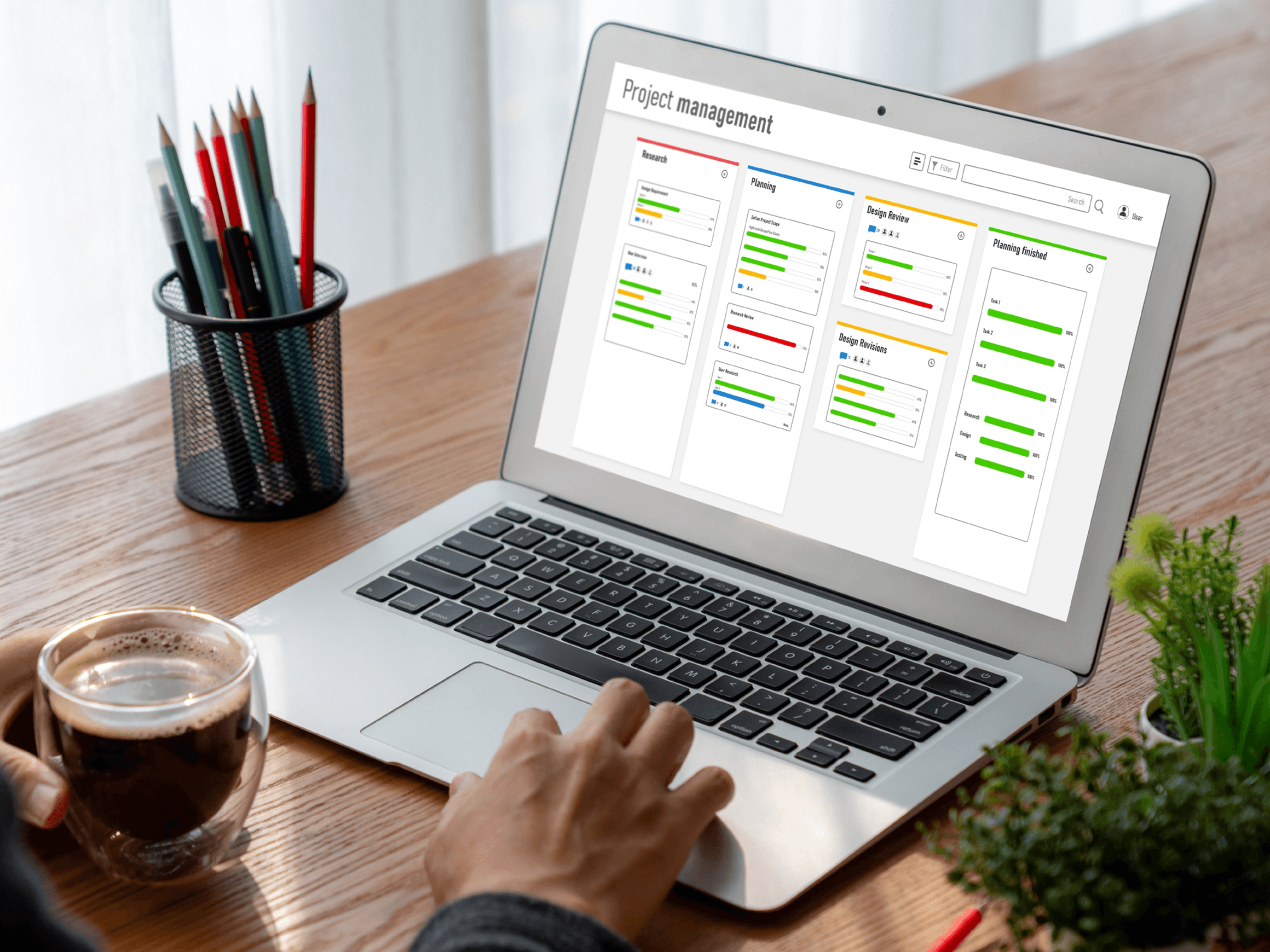
Leverage tools like TaskNova, Trello, or Asana to organize, prioritize, and track your tasks. These tools help keep your workload visible and manageable, reducing mental clutter.
Share Insight: