Jul 29, 2025
Proven Strategies to Maximize Your Team’s Efficiency in 2025
Harness AI and Automation for Greater Efficiency
In 2025, AI and automation will play a pivotal role in transforming how teams work. Automating repetitive tasks like scheduling, reporting, and data entry frees team members to focus on strategic, creative, and high-value initiatives. Leveraging AI-powered analytics, intelligent project management tools, and virtual assistants not only saves time but also reduces errors. Integrating these technologies enables teams to work smarter, streamline operations, and significantly boost overall productivity.

Implement Modern Collaboration Platforms
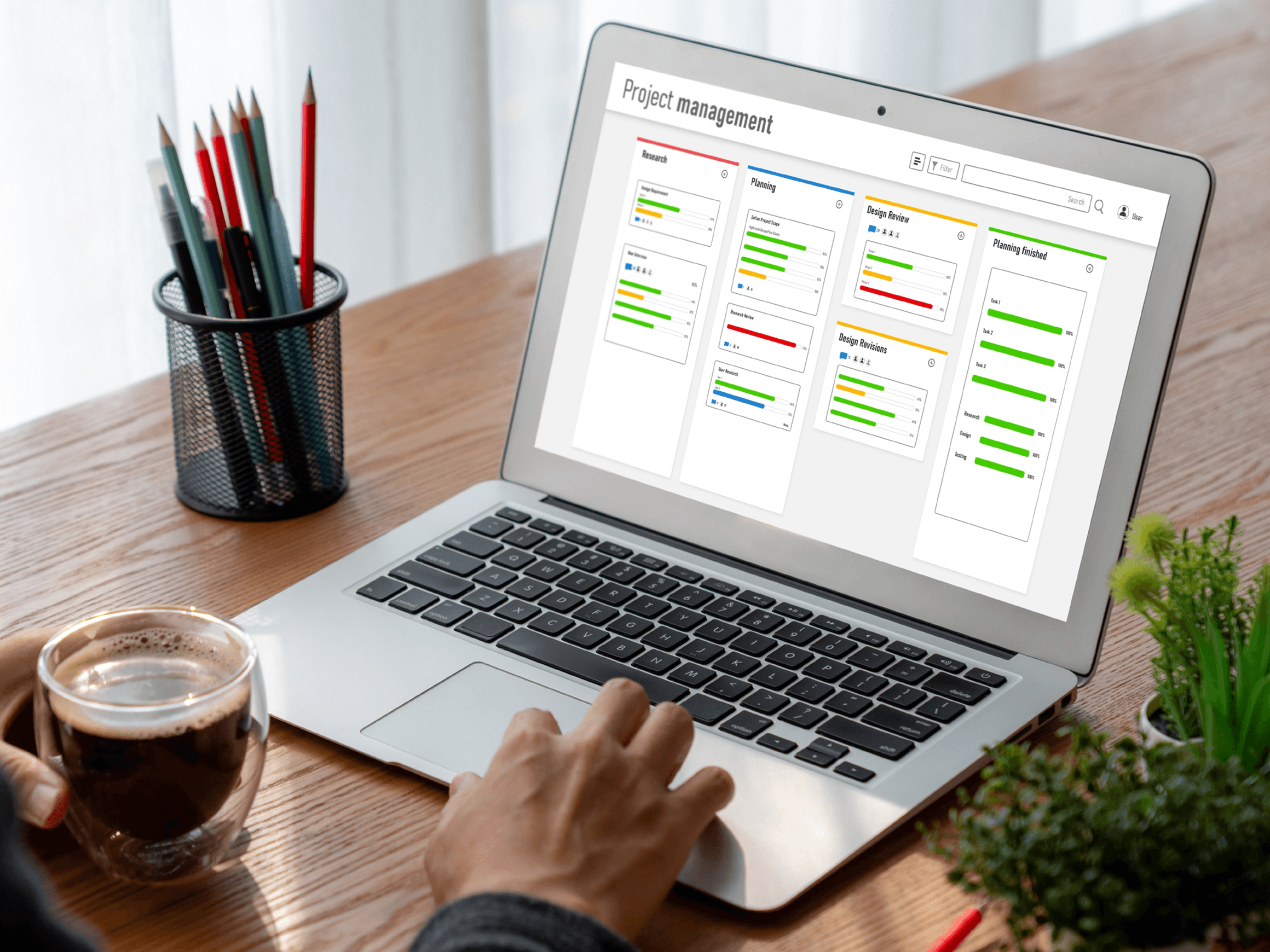
Effective communication and streamlined workflows are key to team productivity. Integrating platforms that combine messaging, project management, and document sharing helps teams stay connected and aligned. Tools like Slack, Microsoft Teams, and Notion reduce miscommunication and foster seamless collaboration, whether team members are working remotely or on-site.
Foster Continuous Learning and Skill Growth
In a rapidly evolving technological landscape, ongoing learning is crucial. Encouraging team members to participate in workshops, online courses, and certification programs ensures their skills remain current. Promoting a culture of continuous development not only enhances individual growth but also empowers teams to innovate and adapt effectively.
Prioritize Mental Health and Work-Life Balance
Employee well-being directly impacts productivity and engagement. Organizations that support mental health through flexible schedules, wellness initiatives, and balanced workloads cultivate a more motivated and resilient workforce. Prioritizing well-being reduces burnout, enhances focus, and fosters creativity, ultimately driving stronger team performance.


Set Clear Goals and Measurable Success Metrics
Establishing well-defined, measurable goals gives teams a clear sense of direction and purpose. Aligning key performance indicators (KPIs) with broader organizational objectives ensures everyone understands what success looks like. Regular check-ins and progress reviews maintain momentum, allowing teams to adjust strategies and stay on track.
“Great teams aren’t born—they’re built with focus, strategy, and collaboration.” — Desmond Tutu
Foster Open and Transparent Communication
Transparent communication is the cornerstone of effective teamwork. When team members feel safe sharing ideas, feedback, and concerns, trust grows, and collaboration improves. Encouraging honesty prevents misunderstandings, speeds up problem-solving, and creates a positive environment where every voice is valued.
Promote Autonomy and Empowerment
Giving team members ownership over their tasks without excessive oversight enhances motivation and productivity. Trusting employees to manage their responsibilities empowers them to take initiative, innovate, and make quicker decisions. Autonomy not only boosts engagement but also reduces bottlenecks, allowing teams to operate more efficiently.

Optimize and Streamline Meetings
Too many or poorly structured meetings can hinder productivity. Keep meetings concise, purposeful, and guided by clear agendas. Whenever possible, use asynchronous updates to share progress, minimizing interruptions and giving team members more time for focused, high-impact work.
Recognize and Reward Contributions
Acknowledging employee achievements boosts morale and drives sustained performance. Whether through public recognition, personalized feedback, or tangible rewards, celebrating contributions helps team members feel valued. A culture of appreciation fosters motivation, loyalty, and a stronger sense of team spirit.
Automate and Enhance Workflows
Repetitive tasks consume time and increase the likelihood of errors. Leveraging automation tools for scheduling, reporting, or data management streamlines workflows and improves efficiency. By reducing routine manual work, teams can focus on creative problem-solving and innovation.
Promote Cross-Functional Collaboration
Breaking down departmental silos encourages innovation and accelerates problem-solving. Bringing together diverse skills and perspectives allows teams to tackle challenges more effectively and achieve better results. Cross-functional collaboration strengthens productivity while fostering a culture of shared success.
Share Insight: